What is a Ppf Cutting Plotter and How Does It Work?
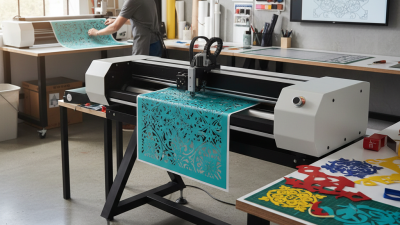
In the world of graphic design and signage, a Ppf Cutting Plotter plays a vital role. This machine specializes in precision cutting of various materials. Designers use it to produce intricate shapes and designs for vinyl graphics and signs. The Ppf Cutting Plotter operates through a digital interface, receiving commands from design software.
It follows the created paths exactly, ensuring each cut is accurate. However, not all cuts will be perfect on the first try. Calibration may sometimes be needed, and adjustments to settings can improve outcomes. The Ppf Cutting Plotter can sometimes struggle with complex designs. This brings about moments of frustration, as users seek the ideal balance between speed and precision.
Understanding the workings of a Ppf Cutting Plotter is crucial for achieving high-quality results. Mastery takes time and practice. Every operator may interpret the machine differently. The journey of learning is filled with trial and error, reflecting the need for persistence in mastering this technology.
What is a Ppf Cutting Plotter and Its Main Functions?
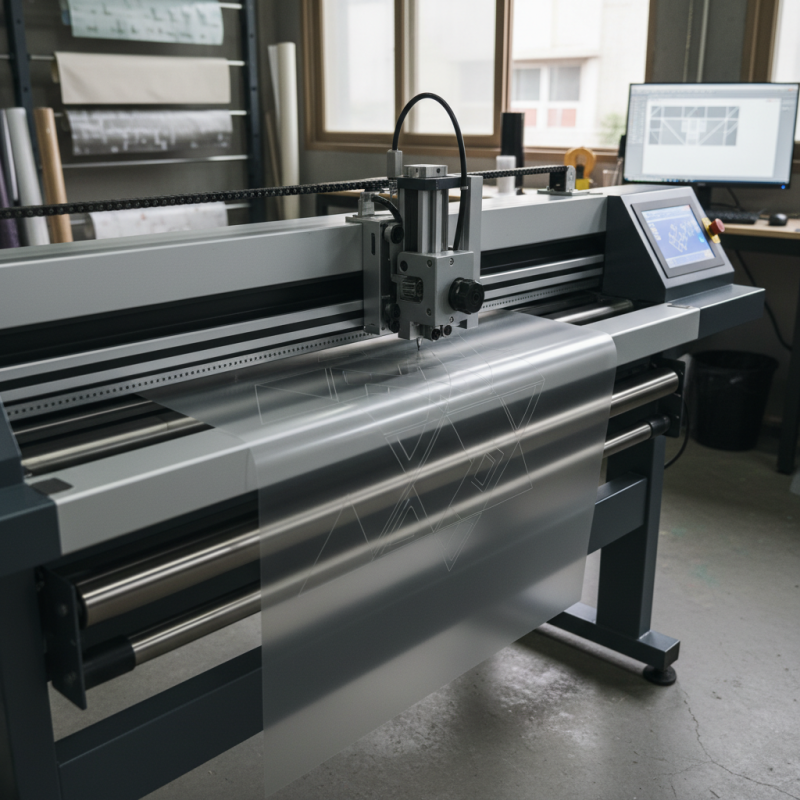
A Ppf Cutting Plotter is a specialized tool used primarily in sign making and graphic design. It efficiently cuts various materials like vinyl, paper, and film with precision. This technology allows users to create intricate designs that enhance visual communications. According to industry reports, the market for cutting plotters is expected to grow by 5% annually, driven by rising demand in advertising.
Key functions of a Ppf Cutting Plotter include contour cutting, weeding, and registration mark reading. Contour cutting allows for detailed shapes, ideal for decals and signs. Weeding involves removing excess material from cut designs, ensuring clean final products. Registration mark reading enables accurate printing and cutting alignment, improving efficiency.
**Tip:** Keep your blade sharp for optimal results. Dull blades can lead to jagged edges and wasted materials.
Regular maintenance of the plotter is crucial too. Dust can accumulate, affecting performance and accuracy. This may seem trivial, but it can hinder your workflow.
Experimenting with different materials is beneficial. Some may yield better results than others. Learning from failed attempts can enhance your skills significantly.
Components of a Ppf Cutting Plotter: A Detailed Overview
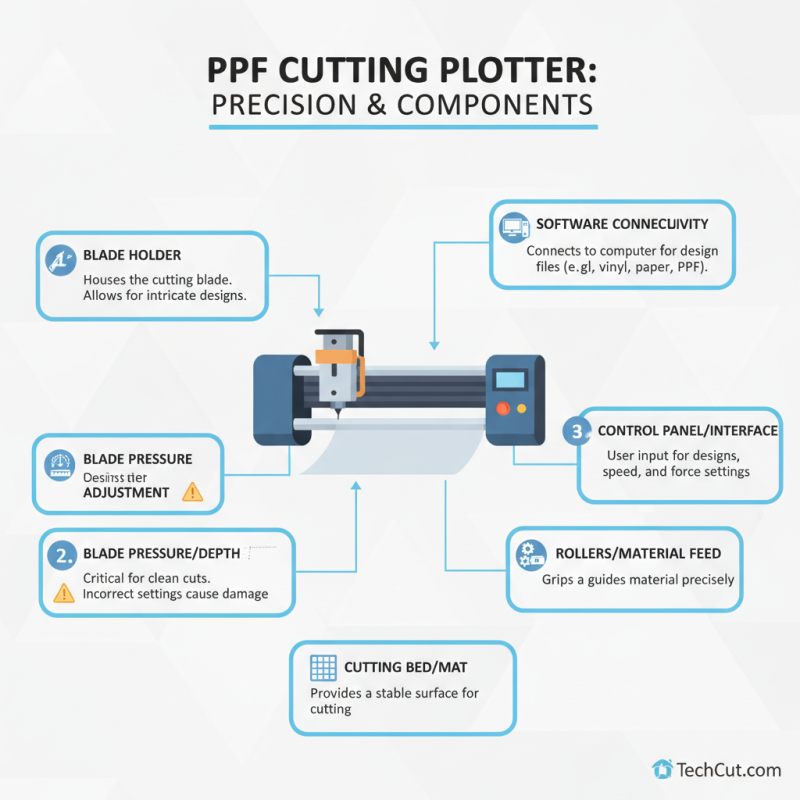
A Ppf cutting plotter is a specialized tool used for cutting materials like vinyl, paper, and other substrates. Its design includes several essential components that work together to ensure precise cuts. The most critical part is the blade holder. It houses the cutting blade, allowing for intricate designs. Users often need to adjust the pressure and depth of the blade. This can be challenging at times, as incorrect settings lead to poor cuts or material damage.
The cutting mechanism relies on a computer-controlled system. This system interprets design files and directs the plotter's movements. The cutting width and speed can greatly affect the results. Some users struggle with settings, impacting the efficiency and accuracy of their projects. Additionally, the plotter's surface, or cutting mat, influences material adhesion. A worn-out mat might not hold materials in place, causing misalignment during cutting.
Finally, a user interface is essential for ease of operation. It allows for adjustments and settings management. Users might find it cluttered or confusing, leading to frustration. Regular maintenance of these components is vital for optimal performance. Neglecting them might result in reduced lifespan and inconsistent quality in cutting tasks.
How Ppf Cutting Plotters Operate: Mechanisms and Technology
Ppf cutting plotters are fascinating tools that utilize advanced technology for precise cutting tasks. These machines work by utilizing a blade that moves across a material surface. The movement is controlled by a computer, which follows a specific design. The result is accurate cuts, whether for vinyl, paper, or other materials.
During operation, the plotter employs various mechanisms, such as a stepper motor, which ensures the blade moves correctly. The device reads a digital file, converting it into a path for cutting. Some users find calibration tricky. Getting the right depth and speed is crucial for optimal results. Errors can lead to uneven cuts or damaged materials, which can be frustrating.
The software interface plays a vital role as well. Users need to familiarize themselves with it. A learning curve often exists, which can deter beginners. Yet, the satisfaction of mastering it is rewarding. Each project brings new challenges. Every cut made can teach valuable lessons about precision and control. This journey of learning is what makes working with Ppf cutting plotters intriguing.
Applications of Ppf Cutting Plotters in Various Industries
PPF cutting plotters have gained traction across various industries due to their versatility. In the automotive sector, these devices are widely used for wrapping vehicles with protective films. According to a report from the Automotive Protective Films Association, nearly 30% of new vehicles incorporate PPF. This market is projected to grow annually by 12% over the next five years. It’s clear that many car owners seek enhanced protection for their investments.
In the signage industry, PPF cutting plotters play a crucial role. Businesses use them to create eye-catching graphics and vehicle wraps. A recent study indicated that nearly 40% of signage companies rely on cutting plotters for efficiency. However, the technology is not without challenges. Users often encounter issues with precision and software compatibility. These setbacks can lead to wasted materials and increased costs.
The architectural sector also benefits from PPF cutting plotters. They are used for window films, enhancing energy efficiency. Research shows that up to 15% energy savings can be achieved with quality window films. Yet, installation remains a complicated process that can be hit or miss. Overall, while PPF cutting plotters are transforming industries, they also present unique challenges that require continuous adaptation.
What is a Ppf Cutting Plotter and How Does It Work? - Applications of Ppf Cutting Plotters in Various Industries
| Industry |
Application |
Benefits |
Materials Used |
| Automotive |
Custom decals and graphics |
Increased brand visibility |
Vinyl, adhesive films |
| Signage |
Banners and signage |
High-quality print and cut |
PVC, paper, vinyl |
| Fashion |
Apparel and accessory designs |
Precise cutting for intricate designs |
Fabrics, heat transfer vinyl |
| Packaging |
Label and packaging creation |
Cost-effective production |
Paper, cardboard, vinyl |
| Advertising |
Promotional materials and giveaways |
Eye-catching designs |
Adhesive vinyl, paper |
Key Considerations When Choosing a Ppf Cutting Plotter
Choosing a PPF cutting plotter requires careful thought. It's not just about the price. High-quality equipment can deliver better results for your projects. Consider your needs, like the volume of work and the material types you use. Some plotters are versatile, while others are specialized.
When evaluating options, look for cutting width and speed. A wider cutting width may save time. Speed matters if you have a lot of orders. However, higher speed can affect precision. Make sure to strike a balance between these features. Also, check the software compatibility. Some plotters work best with specific programs.
Tips for selection: Test different models before committing. Ask users for feedback. A hands-on experience reveals more than specifications. Finally, pay attention to support and service. A reliable service can help you avoid frustrations down the road. Remember, it’s not just about getting a plotter; it's about choosing the right one for you.
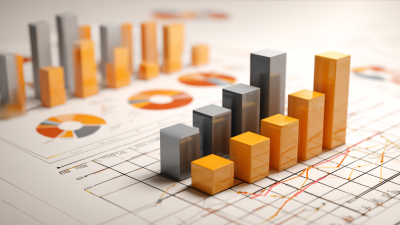
PPF Cutting Plotter Performance Metrics