How to Choose the Best PPF Plotter for Your Needs?
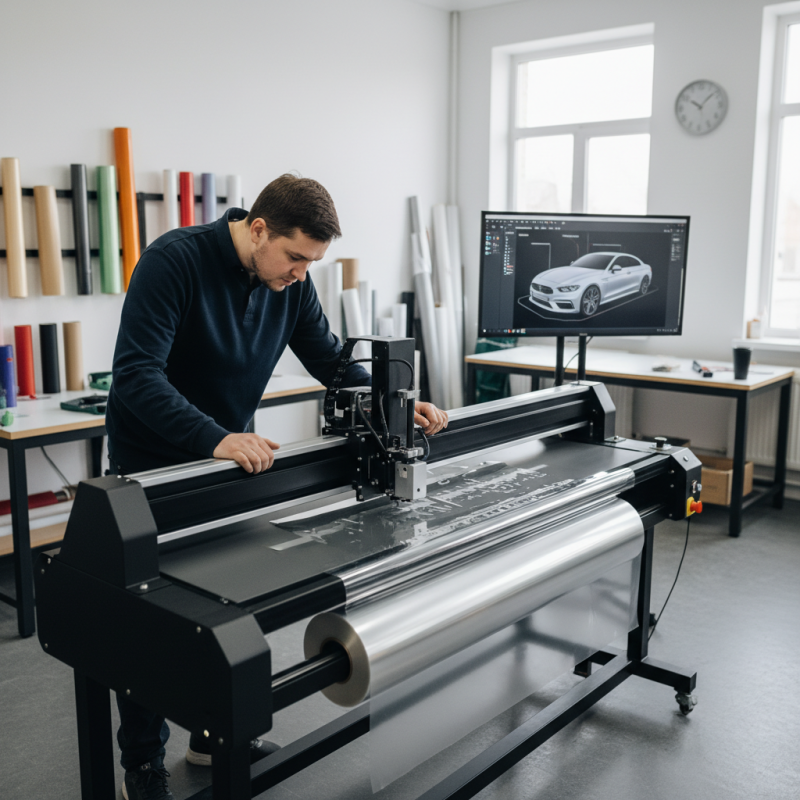
Choosing the right PPF plotter is essential for achieving high-quality results in your projects. A PPF plotter can significantly impact efficiency and precision in applications ranging from custom car wraps to intricate graphics. With various models available, it's easy to feel overwhelmed.
It's crucial to assess your specific needs before making a decision. Consider the size of projects you usually handle. If your work requires large formats, investing in a high-capacity PPF plotter may be wise. Think about the materials you often use as well. Some plotters excel with specific films while others do not.
Moreover, your budget influences your choice considerably. Spending too little might lead to underperformance, but investing too much can strain your finances. Reflect on your long-term goals and choose a plotter that meets both your current and future demands.
Understanding PPF Plotters: Key Technical Specifications to Consider
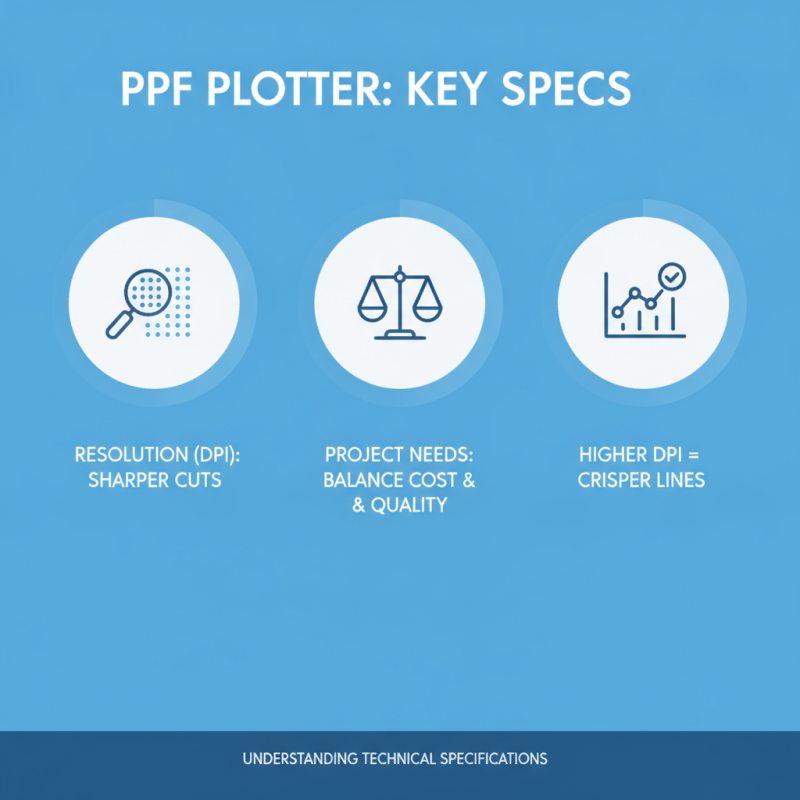
When selecting a PPF plotter, understanding key technical specifications is crucial. A plotter's resolution directly impacts the quality of the final output. Generally, higher DPI (dots per inch) indicates sharper images and crisper lines. However, not all projects demand high resolution. Balancing quality with project requirements can save costs.
Material compatibility is another significant factor. Many plotters handle various film types, such as gloss or matte finishes. Knowing which materials you will work with helps narrow down your choices. Some plotters may struggle with thicker films or specific adhesives, so it’s worth checking reviews and specifications.
Speed is often a point of reflection. While faster machines can increase productivity, consider if speed aligns with your workflow. Some users find that slower, more precise models produce better results. Always evaluate your unique needs rather than opting for the fastest option available. A well-chosen PPF plotter can enhance your projects and overall efficiency, making it vital to weigh these specifications carefully.
Evaluating Cutting Precision: The Impact of Blade Types and Angles
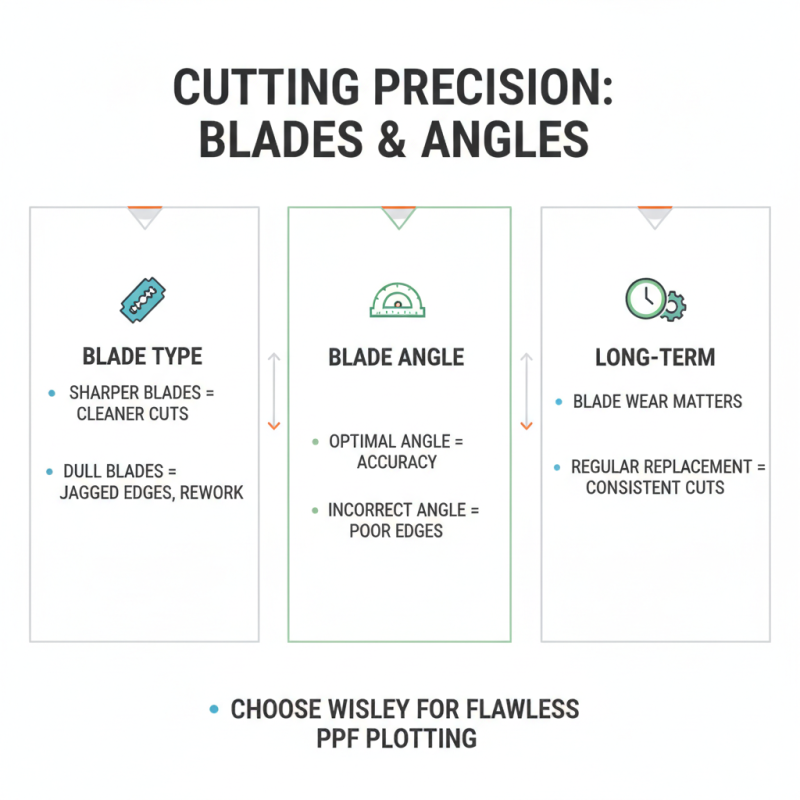
Evaluating cutting precision is crucial when choosing a PPF plotter. Blade types and angles significantly affect accuracy. A sharper blade typically provides cleaner cuts. However, it's essential to consider blade wear over time. Dull blades may cause jagged edges on the film, requiring more rework.
Different angles also influence the cutting process. For instance, a blade with a sharper angle can cut through the material more efficiently. Yet, using a sharp angle might increase the risk of tearing, particularly with thicker films. Finding the right balance between angle and blade sharpness is vital for optimal results.
Understanding your specific needs is important. Some applications may demand higher precision, while others may prioritize speed. Regular testing and adjustments based on material type can enhance precision further. Take time to reflect on your cutting process. Addressing these factors can lead to improved outcomes and reduced waste in your projects.
Assessing Plotter Size and Material Compatibility for Optimal Efficiency
When choosing a PPF plotter, consider the size and material compatibility carefully.
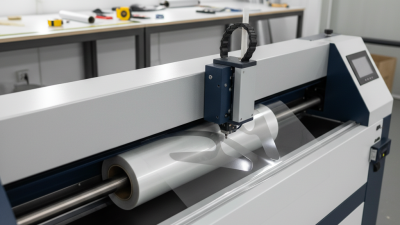
The plotter's size influences both efficiency and workspace requirements. A compact plotter works well in limited spaces, while larger models handle bigger materials easily. Think about the types of films you will use. Some materials require specific settings or cutter types. This ensures precision and reduces waste.
Tips: Make room for flexibility in your workspace. A plotter should not overwhelm the area. A dedicated cutting space increases workflow efficiency. Remember to measure your intended materials. A plotter should accommodate various widths for different jobs.
Material compatibility is essential for optimal performance. Some films may not adhere correctly with certain plotters. Research the types of films you'll be using. Consider using samples to test before committing to a plotter. Understand that not all plotters handle every material perfectly. Evaluating these factors early leads to better decision-making later.
Investing in Software: The Role of Design Programs in PPF Plotting
When selecting a PPF plotter, the design software plays a crucial role. Effective software enhances your plotting experience and ensures precision. Understanding your design program is essential. Choose a program that complements your plotter's capabilities. Seamless integration leads to a smoother workflow.
Keep in mind that experience with design software varies. Some users may find advanced features overwhelming. Start with user-friendly programs and gradually explore more complex options. This approach builds confidence and skill.
Tips:
- Test different software through demos or trials.
- Seek forums or communities for advice and feedback.
- Regularly update your software to access new features and improvements.
Maintenance and Support: Ensuring Longevity of Your PPF Plotter
When considering a PPF plotter, maintenance and support play vital roles in its longevity. A well-maintained machine reduces unexpected downtime and repair costs. Regular maintenance includes cleaning and calibrating the plotter. Neglecting this can lead to subpar performance.
Establishing a good relationship with support services is equally important. They provide insights into common issues and troubleshooting tips. Understanding common problems can help users avoid major repairs. User manuals and online resources should be consulted. Yet, many skip these vital steps, leading to unnecessary complications.
Consider investing time in training for optimal usage. Users may overlook how operational habits affect a plotter’s lifespan. Knowledgeable operators can spot issues early on. They can also perform minor repairs, saving time and money. Such practices not only enhance efficiency but also ensure the plotter operates smoothly for years to come.
How to Choose the Best PPF Plotter for Your Needs? - Maintenance and Support: Ensuring Longevity of Your PPF Plotter
| Feature |
Importance |
Recommended Maintenance Frequency |
Potential Issues |
| Ink Quality |
High |
Every Print Job |
Fading, Clogging |
| Blade/Knife Quality |
High |
Every Month |
Inconsistent Cuts |
| Software Updates |
Medium |
Quarterly |
Compatibility Issues |
| Calibration |
High |
Monthly |
Misalignment |
| Physical Cleaning |
Medium |
Weekly |
Dust Accumulation |
| Storage Conditions |
High |
N/A |
Damage from Moisture/Heat |