Best Ppf Cutting Plotter for Your Business Needs?
Choosing the right Ppf Cutting Plotter is crucial for your business. It directly affects your output quality and efficiency. With various options available, the selection process can be overwhelming.
Understanding your specific needs is the first step. Different businesses require different features. For example, a sign-making company may need a plotter with high precision. In contrast, a small-scale artist may prioritize portability. Each option has its pros and cons, which can lead to confusion.
Investing in a reliable Ppf Cutting Plotter is essential. Poor choices can lead to wasted materials and increased costs. Take time to research and compare models. Talk to peers in your industry. With thoughtful consideration, you can find the perfect plotter for your unique requirements.
Understanding PPF Cutting Plotters and Their Importance
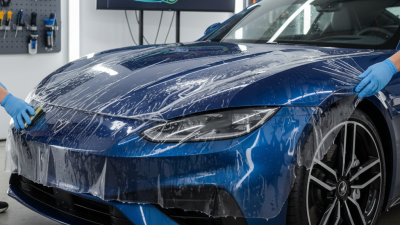
Understanding PPF cutting plotters is vital for many businesses. These machines create precise cuts in protective film installed on vehicles and other surfaces. A well-functioning plotter improves efficiency and product quality. Choosing the right model can lead to significant benefits in your workflow.
When selecting a PPF cutting plotter, consider the accuracy and speed. Look for units with reliable tracking and advanced software features. Proper maintenance is crucial; even minor neglect can lead to errors in cuts. Regular cleaning and calibration can enhance performance.
Tips: Always start with a test run. This simple step helps identify potential issues without wasting materials. Experiment with different settings to find what works best for your specific needs. Focus on the details; small adjustments can make a big difference in the final output.
Key Features to Consider When Choosing a PPF Cutting Plotter
When selecting a PPF cutting plotter, there are key features to consider for optimal business performance. Start with precision. A cutting plotter should deliver consistent and accurate cuts. Look for models that boast a high cutting accuracy rate, ideally within 0.1 mm. This level of precision is crucial for intricate designs and ensures a professional finish.
Next, consider the plotter's software compatibility. Many advanced cutting plotters work with various design software. This flexibility can streamline your workflow. Efficient integration allows easier file transfers and instant adjustments. Support for multiple file formats is also essential. Your plotter should accept formats like SVG or DXF to ensure versatility in design.
Lastly, pay attention to the machine's build quality and size. A sturdy, reliable design is vital for long-term use. Plotters that are prone to vibration can lead to inaccurate cuts. Make sure the plotter's dimensions suit your workspace. A compact design can save space, but ensure it accommodates your cutting needs. Finding the right balance can be challenging, but it is key to running efficient operations.
Top Brands and Models for PPF Cutting Plotters in the Market
When selecting a PPF cutting plotter, it’s essential to consider top brands and models that fit specific business needs. Cutting plotters vary greatly in features. Some excel in precision, while others offer speed. Understanding your operational requirements is crucial in making the right choice.
Popular models often come with advanced software for easy design adjustments. They typically support a range of materials, making them versatile for different projects. Additionally, robust customer support can significantly enhance your experience. Users frequently appreciate consistent updates to the cutting software, which can improve functionality over time.
However, not all models are created equal. Some may lack sufficient power for thicker films, causing frustration. Durability can also vary, leading to potential issues in high-demand settings. Regular maintenance is key to ensuring longevity and efficiency. It is vital to weigh these factors carefully, as the right plotter can streamline your workflow and enhance productivity.
PPF Cutting Plotter Performance Comparison
Cost Analysis: Budgeting for a PPF Cutting Plotter
When considering a PPF cutting plotter for your business, budgeting is crucial. These machines can vary greatly in price. The most economical models start around a few hundred dollars, while high-end options can exceed several thousand. The total cost involves more than just the initial purchase. Consider maintenance, software, and material costs. This can quickly add up.
Investing in a reliable plotter can enhance productivity. However, there are hidden costs. For instance, if the machine breaks down, repair costs can impact your budget. Additionally, training staff to use a new plotter adds another layer of expense. Some businesses might not account for the learning curve involved when implementing new technology.
Take time to research the market. Compare different models and use real-world examples to inform your decision. Customer reviews often highlight overlooked issues. Remember, the cheapest option may not always be the most reliable. Consider long-term value and potential return on investment. Balancing initial costs with durability is essential for sustained success.
Maintenance and Best Practices for Your PPF Cutting Plotter
When it comes to maintaining your PPF cutting plotter, regular care is essential. Dust and debris can accumulate, affecting performance. Take time to clean the cutting surface and the blades. A clean machine operates smoothly, ensuring precise cuts. Remember, a well-maintained plotter extends its lifespan significantly.
Calibration is another critical aspect. A plotter that isn’t calibrated properly can lead to inconsistent outputs. Check the calibration settings periodically. This practice might seem tedious but it pays off. Consistency in your output is key to customer satisfaction. If cuts are off, it could lead to wasted materials and time.
Lastly, always keep an eye on the software updates. Manufacturers often release improvements that can enhance functionality. Ignoring these updates can leave your plotter behind. Engage with the user community for tips and insights. Learning from others can provide valuable experience, helping you navigate potential issues you may encounter. Remember, every machine has its quirks, and acknowledging them is part of the journey.