Top 10 Benefits of Ppf Cutting Plotter for Your Business Needs?
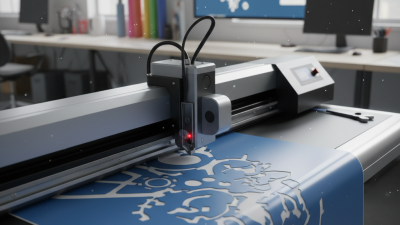
The demand for precision and efficiency in the signage and graphics industry has surged significantly in recent years. Reports indicate that the global market for cutting plotters, including Ppf Cutting Plotter, is projected to reach USD 2.5 billion by 2025, growing at a CAGR of 4.5%. Businesses are increasingly recognizing the value of these tools to enhance production and improve service delivery.
Ppf Cutting Plotter provides unparalleled benefits for various sectors, from automotive to advertising. The device is known for its accuracy in cutting intricate designs, which directly impacts quality. High-quality output translates into satisfied customers and repeat business. However, many companies might overlook the initial investment cost, emphasizing the need for a clear understanding of long-term benefits.
Moreover, with automation on the rise, businesses that utilize Ppf Cutting Plotter can significantly reduce labor costs and improve turnaround times. Studies show that companies integrating cutting plotters can increase productivity by up to 30%. Yet, it’s essential to consider the learning curve associated with advanced technology. A thoughtful approach to training can mitigate these challenges and maximize the benefits.
Key Functions of PPF Cutting Plotters in Business Operations
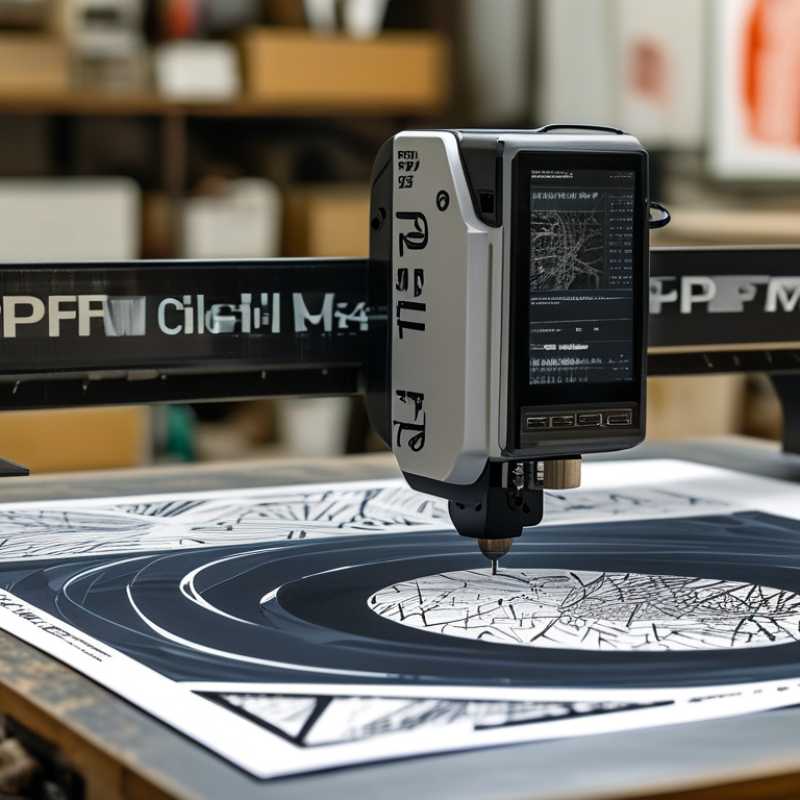
PPF cutting plotters are becoming essential in various business sectors. Their efficiency in creating precise cuts boosts productivity. According to a recent industry report, companies that utilize cutting plotters can increase output by nearly 30%. This increase is largely due to reduced manual labor and errors in production. Businesses can capitalize on quick turnarounds, meeting tight deadlines with ease.
One of the core functions of PPF cutting plotters is their adaptability. They can handle diverse materials such as vinyl, paper, and film. This versatility allows businesses to expand their services. For example, from signage production to custom sticker design, the possibilities are vast. The quality of these cuts often meets high standards, enhancing the final product's appeal. However, it’s not without its challenges; operators must be trained to maximize the equipment's potential fully.
Moreover, integrating PPF cutting plotters into operations can streamline workflows. The automation reduces the need for tedious manual processes. Yet, businesses often face initial setup hurdles. Proper calibration and maintenance are crucial for optimal performance. Companies can mitigate these issues through regular training and support. The investment may seem daunting, but the long-term benefits often outweigh the costs.
Top 10 Benefits of Ppf Cutting Plotter for Your Business Needs
| Benefit |
Description |
Impact on Business |
| Precision Cutting |
Provides accurate cuts for various materials, ensuring high-quality outputs. |
Enhances product quality, reducing waste and minimizing rework. |
| Time Efficiency |
Automates the cutting process, significantly reducing production time. |
Increases throughput and allows for quicker order fulfillment. |
| Versatility |
Compatible with a wide range of materials, from vinyl to paper. |
Expands service offerings to cater to diverse customer needs. |
| Cost-Effectiveness |
Reduces labor costs associated with manual cutting methods. |
Improves profit margins and overall financial viability of projects. |
| Ease of Use |
User-friendly software and controls simplify operation. |
Less training time required for staff, enhancing operational efficiency. |
| Customization |
Allows for customized designs and prototype creation quickly. |
Helps meet unique client specifications, fostering customer loyalty. |
| Integration |
Easily integrates with graphic design software for seamless workflow. |
Streamlines processes from design to production, reducing delays. |
| Durability |
Built to withstand intensive use, ensuring long-term reliability. |
Minimizes downtime and maintenance costs, improving overall productivity. |
| Scalability |
Supports scaling production as business demands increase. |
Facilitates growth and enhances capacity to take on larger projects. |
| Reduced Material Waste |
Optimizes material usage with precise cutting strategies. |
Contributes to sustainability efforts and cost savings. |
Enhancing Efficiency: Speed and Precision in Material Cutting
In today’s fast-paced business landscape, efficiency is critical. The PPF cutting plotter excels at enhancing speed and precision in material cutting. Businesses often need to streamline operations to remain competitive. A cutting plotter can significantly reduce the time spent on design and production.
With advanced algorithms, a cutting plotter ensures consistency in every cut. This precision minimizes waste, which is vital in industries that rely heavily on material costs. For those involved in graphics, signage, or automotive design, accurate cutting can elevate the final product’s quality. However, achieving this level of efficacy requires proper training and technique. Familiarity with the equipment is crucial.
But there can be challenges. Sometimes, misalignment or software glitches may occur, leading to delays. These setbacks remind users of the importance of regular maintenance and updates. Continuous learning and adaptation are necessary to maximize the plotter's potential. Businesses must stay vigilant to maintain their edge in the market.
Cost-Effectiveness: Reducing Waste and Maximizing Profits
When evaluating the cost-effectiveness of a PPF cutting plotter for your business, waste reduction stands out. Industry studies show that businesses using cutting plotters can decrease material waste by over 30%. This decrease directly impacts profit margins. Reducing waste is not just about saving materials; it also minimizes disposal costs.
Additionally, cutting plotters enhance precision, resulting in cleaner cuts and perfectly sized applications. According to recent data, businesses that leverage these tools experience a 25% increase in productivity. This boost allows for quicker turnaround times and better customer satisfaction, which is key in a competitive market. However, the initial investment requires careful budgeting.
While the advantages are significant, some may find the technology intimidating. Training staff to fully utilize these machines can take time and resources. Moreover, if not properly maintained, the equipment can become less efficient. Ongoing costs, such as software updates and blades, also need consideration. Balancing these factors is crucial for effective long-term planning.
Top 10 Benefits of Ppf Cutting Plotter for Your Business Needs
Versatility: Adapting to Various Applications and Industries
A PPF cutting plotter offers remarkable versatility for various applications across multiple industries. These machines can handle a wide range of materials, from vinyl and sticker sheets to more specialized films. This adaptability allows businesses to cater to diverse customer needs, whether they are creating custom decals, automotive wraps, or signage. A plotter can switch between tasks quickly, saving time and increasing productivity.
The ability to work with different media types means businesses have more options. For instance, they can create intricate designs for fashion, packaging, or even event promotions. This opens up new revenue streams. However, as much as the technology promises flexibility, it requires continuous learning and adjustment. Operators must understand the intricacies of each material and how they behave during cutting. This learning process can be challenging but ultimately rewarding.
Not every project will go perfectly. There will be misalignments or material tears along the way. Such issues can induce frustration, yet they present opportunities for growth. Each mistake is a lesson on improving technique or material selection. This dynamic nature of using a PPF cutting plotter makes it an asset worth considering for any innovative business.
Improving Design Capabilities: Customization and Innovation Opportunities
The PPF cutting plotter enhances design capabilities by allowing businesses to create customized solutions. This technology enables the production of unique graphics tailored to specific client needs. Companies can quickly respond to market trends with innovative designs. Expect to see creative ideas transform into tangible products more efficiently.
Customization is a game-changer. It lets businesses stand out in competitive markets. By offering personalized designs, companies can attract more customers. Yet, this requires careful planning. Not every design will resonate as intended.
Businesses must consider their target audience's preferences. Continuous feedback from clients is essential for improvement.
Innovation opportunities arise as organizations experiment with new materials and techniques. This exploration can yield interesting results. However, not all new ideas will succeed. It's crucial to document processes and learn from failures. Embracing this trial-and-error approach fosters growth and creativity.